Yes indeed! I have written another fantasy novel and it comes out today! It's a story of murder and revenge set in a magical city a bit like Venice. If you liked Up To The Throne, you'll definitely like this.
Giulia Degarno thought that coming to Averrio would be the start of a new life. But when a renegade priest turns up dead in a canal, the City Watch needs somebody to take the blame. And who better than a woman with a dark past and an even darker future? Now Giulia has seven days to clear her name and find the killer. But as the violence mounts and the danger rises, she comes up against a conspiracy founded on gold, murder and evil magic. Giulia must deal with a cunning, ruthless enemy - and friends she may no longer be able to trust.
Click on the link below, buy many copies, and enjoy*!
AMAZON
(*I actually hate it when people say "enjoy". Consider it a suggestion rather than an order)
Showing posts with label Up To The Throne. Show all posts
Monday, 5 August 2019
Thursday, 9 May 2019
Blood Under Water - cover reveal!
I've been working on a sequel to Up To The Throne. It's called Blood Under Water, and it's a story of revenge and conspiracy in a murky, waterlogged city where corruption and murder hold sway. When a priest shows up dead in a canal, Giulia falls under suspicion. Will she clear her name and find the killer?
Only one way to find out - buy a copy. Coming soon!
Sunday, 3 March 2019
Up To The Throne in Paperback!
I'm delighted to announce that my novel, Up To The Throne, is available in paperback as well as for Kindle.
Copies have been purchased and they're looking good! You can buy copies from Amazon here:
Click HERE for paperbacks!
And you can read the first chapter for free here:
Click HERE to read Chapter 1!
And, what's more, here's me reading the first chapter out loud:
Click HERE to listen to Chapter 1!
Reviews and ratings on Amazon and Goodreads are always appreciated. Hope you enjoy it!
Copies have been purchased and they're looking good! You can buy copies from Amazon here:
Click HERE for paperbacks!
And you can read the first chapter for free here:
Click HERE to read Chapter 1!
And, what's more, here's me reading the first chapter out loud:
Click HERE to listen to Chapter 1!
Reviews and ratings on Amazon and Goodreads are always appreciated. Hope you enjoy it!
Thursday, 27 December 2018
Interview with Thaddeus White
Here I am, being interviewed by Thaddeus White, author of the Sir Edric books (among other things). Thaddeus has written several fantasy novels, including comedies, so it was interesting to talk to him about the experience of writing comedy (and not writing it, for once) and creating a fantasy setting.
Here's a link to the interview: Click Here
And here's a link to Thaddeus' website: http://thaddeuswhite.weebly.com/index.html
Tuesday, 18 December 2018
Who Travels The Fastest?
![]() |
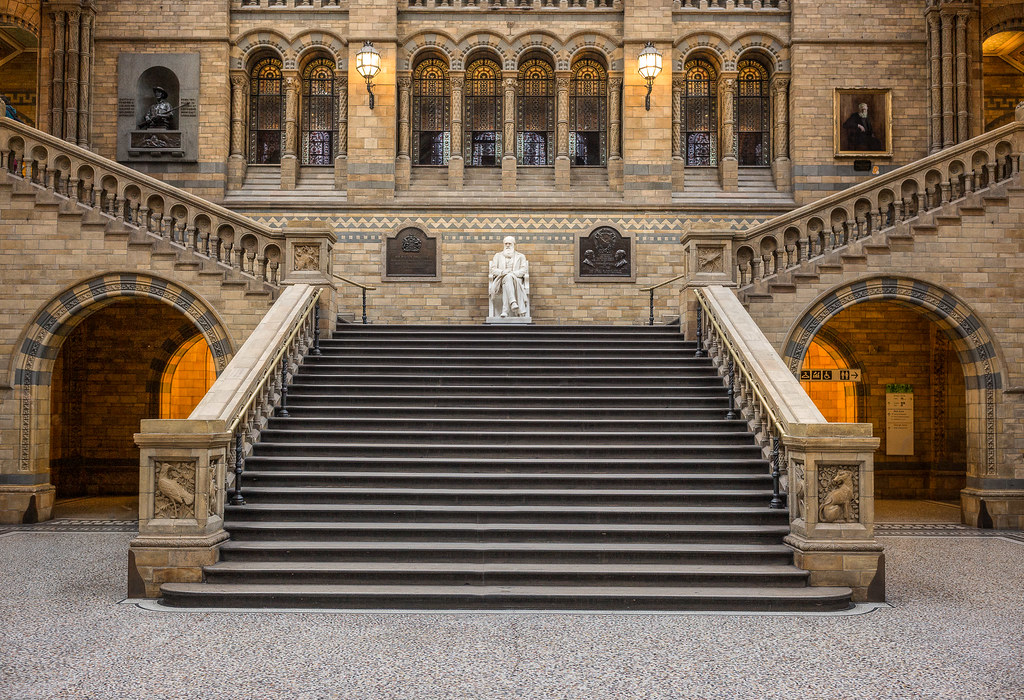
| Charles Darwin on his throne, at the Natural History Museum, London |
So, this is publication day! I'm writing this in the strange quiet period between the new book being available and anyone telling me what they thought of it. It's always a weird time, especially since Up To The Throne is quite different in style to either Straken or the Space Captain Smith books. Many thanks to everyone who has bought a copy. I hope you enjoy it!
*
I thought I'd mention something about the title. The phrase "Up to the throne" comes from a poem by empire-builder, Jungle Book author and exceedingly good cake-maker, Rudyard Kipling. Kipling is probably not read very much now, and I expect he has dated very badly, but he did have a knack with phrases. A surprisingly number of expressions come from his books, sometimes from works that are half-forgotten.
![]() |
| Disney changed a few things... |
The poem "The Winners" contains the lines "Down to Gehenna [Hell] or up to the throne / he travels the fastest who travels alone". It's a rather bleak poem that, as far as I can tell, says that the quickest way to change where you are is to act alone (or at least to take the credit). Apparently it refers to characters Kipling wrote about, and not his own views, but either way it seemed appropriate for the novel that I'd written.
One idea running through Up To The Throne is the selfishness of revenge, and the need to have more purpose than just getting your own back. Grodrin the dwarrow calls revenge "running towards your death", and Publius Severra describes a life lived for vengeance as a life wasted - although I doubt he'd let bygones be bygones, either. As Giulia's search for revenge gets her, and her enemies, closer to seizing the throne of Pagalia, she discovers that her revenge won't let her just kill her target and walk away.
The Winners
What the moral? Who rides may read.
When the night is thick and the tracks are blind
A friend at a pinch is a friend, indeed,
But a fool to wait for the laggard behind.
Down to Gehenna or up to the Throne,
He travels the fastest who travels alone.
White hands cling to the tightened rein,
Slipping the spur from the booted heel,
Tenderest voices cry " Turn again!"
Red lips tarnish the scabbarded steel,
High hopes faint on a warm hearth-stone--
He travels the fastest who travels alone.
One may fall but he falls by himself--
Falls by himself with himself to blame.
One may attain and to him is pelf--
Loot of the city in Gold or Fame.
Plunder of earth shall be all his own
Who travels the fastest and travels alone.
Wherefore the more ye be helpen and stayed,
Stayed by a friend in the hour of toil,
Sing the heretical song I have made--
His be the labour and yours be the spoil.
Win by his aid and the aid disown--
He travels the fastest who travels alone!
Monday, 5 November 2018
Talking About Talking
![]() |
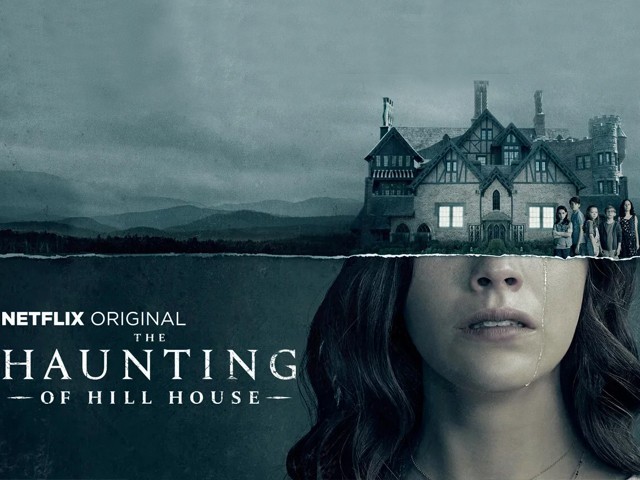
| I'd quite like a hat like this. |
I've been watching Netflix's The Haunting of Hill House, which is very loosely inspired by Shirley Jackson's 1959 novel of the same name. Both the TV show and the book are highly acclaimed, and both, I think, have serious problems. In both of them, the dialogue feels wrong.
In the TV show, characters seem to communicate important information in monologues. That is to say, they basically go off on one for several minutes, usually with shouting and/or crying involved, and nobody really responds or tries to interrupt. It's really weird.
"Do I want a cup of tea? Yes, please. My father gave me a cup of tea once, the night that we first saw the statues move. I remember it well: a the storm raged outside and at 8.30pm, I..."
It's not quite that bad, but not far off at times. People just don't talk like that. They might do in stage plays, where internal thoughts have to be explained to the viewer, but I don't think it's really needed in TV drama ( the question "Is this a dagger I see before me?" would probably be answered with a special effect these days).
The novel has its own problems with dialogue. Everyone is very flippant and delivers their lines as witty repartee, no matter what horrific things they've just experienced. It's like one of those black and white films where bitchy starlets crack wise at parties. And if you've just met the living dead, it doesn't sound convincing*.
![]() |
| "... which was jolly." |
Which gets me (neatly) to the importance of dialogue. Anyone who's not writing in the modern era - or about people in unusual circumstances, such as a haunted house - has to make a decision as to how the dialogue is going to work. Too "normal" and it will jar with the setting. Too strange and it will be hard to follow.
Someone once said to me "You can tell when the Space Marines are talking, because they say 'do not' instead of 'don't'." Personally, I'm not a great fan of "heroic" speech, as it loses a lot of nuance (except when Suruk the Slayer is using it. He's naturally epic).
![]() |
| "Let none dispute my epicness." |
When I wrote Up To The Throne - and other fantasy - I tried to use normal conversational English, taking out obvious Americanisms and Britishisms. It was surprisingly hard writing a novel about the criminal underworld without using "yeah"! I also took out all words with a real-world significance: the days of the week have different names, although there is still a sabbath, and there are no Christophers - and no sods.
Writing Space Captain Smith, in which a lot of the jokes are in the dialogue, makes me realise how important it is to get the speech just right. As to whether I've got the new book right, well, we shall see...
*On the off-chance it's of interest, I reviewed the novel HERE
Monday, 29 October 2018
Five Things About Fear (and other quality alliteration)
So, it's Halloween. All the pumpkins and green food dye don't do much for me, to be honest, but I am interested in what makes a book or film frightening. I think there are five main aspects:
1) Suspense versus action
Skilled writers and directors know that whatever they put on the screen can't be as nasty as what the reader or viewer can think up. That's why the exploring of the haunted house takes up much more screen time than the ghosts. The demons in Hellraiser, for instance, get less than 5 minutes of screen time. It's important to know the distinction between what's frightening and what's exhilarating. Frightening is when we are hiding - exhilarating is when we are fighting back.
![]() |
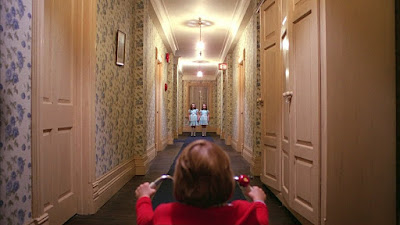
| "For ever... and ever...." |
2) Power
Adversaries need to be dangerous, or to seem it. The skeletal robots of the Terminator films are relentless. The zombies in Night of the Living Dead may be slow, but they've got numbers, and they keep coming. Even in an action film like Where Eagles Dare, where the good guys are deadly commandos, they are going up against a much larger force. One robot or zombie or Nazi might not be much of a problem, but a whole load of them...
And then you have creatures like the cenobites of Hellraiser, or the ghosts in The Shining, which seem almost omnipotent in comparison to the people they hunt. The haunted house is much bigger than the people who enter it, and it holds all the cards. Of course, this can get ridiculous, like those slasher films where being insane seems to make you immune to gunfire, but a real expert knows how to balance this.
3) WTF?
Some of the strongest horror comes from a sense of not knowing quite what you're looking at. Until the very end of the film, the creature in Alien is never seen in full. The surreal beheading of Science Office Ash is only explained after he's stopped flailing around and squirting white slime. Until that point, it's like watching a nightmare.
There's an old BBC adaptation of M.R. James' ghost story "Oh Whistle and I'll Come To You, My Lad". In it, a professor dreams that he is being chased along a beach by... something. We know what we're literally looking at: it's clearly a sheet in a breeze. But the weird groaning sound it makes, coupled with the heartbeat on the soundtrack, makes us think "What the hell is that thing? Let's not find out!"
![]() |
| Whatever this is, it's not good. And it's getting closer. |
4) Sympathetic characters
It's impossible to care about characters that you don't like. That means that they need to have sympathetic motivations, to act sensibly and to be convincingly portrayed. The Cabin in the Woods is a good parody of bad horror films: the characters are forced to act out the ritual roles of idiotic teenage victims in a slasher movie. It's when they get away from the conditioning that they become more likable.
However, "sympathetic" sometimes means "entertaining" or "realistic" rather than "charming". A character can win a lot of respect from readers by being sensible and active. Macready from The Thing starts off gruff and rather miserable: Alien's Ellen Ripley seems prissy and uptight when we first meet her. But the acting is good and, once trouble starts, they're sensible, active and behave like decent (if frightened) people.
5) Taste
Surprising one, this. But I think great directors know when to pull away. Often, all that's needed is the hint of what's going on to bring the horror home. This often involves overstepping the bounds - but knowing when to stop. You never see the knife in the victim in Psycho. The worst deaths in Alien are never seen. After all, whatever you see, you can probably imagine something worse.
And with those pleasant mental images, I'll see you next time.
Sunday, 21 October 2018
The Appeal of Noir
![]() |
| Patrick Stewart and Alec Guiness in Smiley's People |
When I first encountered Lidda the Rogue in the 3rd edition Dungeons and Dragons manual, I didn't run into a lot of fantasy that really suited me. That was probably my fault as much as the genre's, but there was a level of complexity and intrigue that I didn't see back then. I should probably have been looking harder.
I encountered the feeling I wanted to create more
often outside fantasy than in it. I found it in noir: in the books of
James M. Cain and early James Ellroy and above all, in the novels of
Raymond Chandler, who I think is one of the best
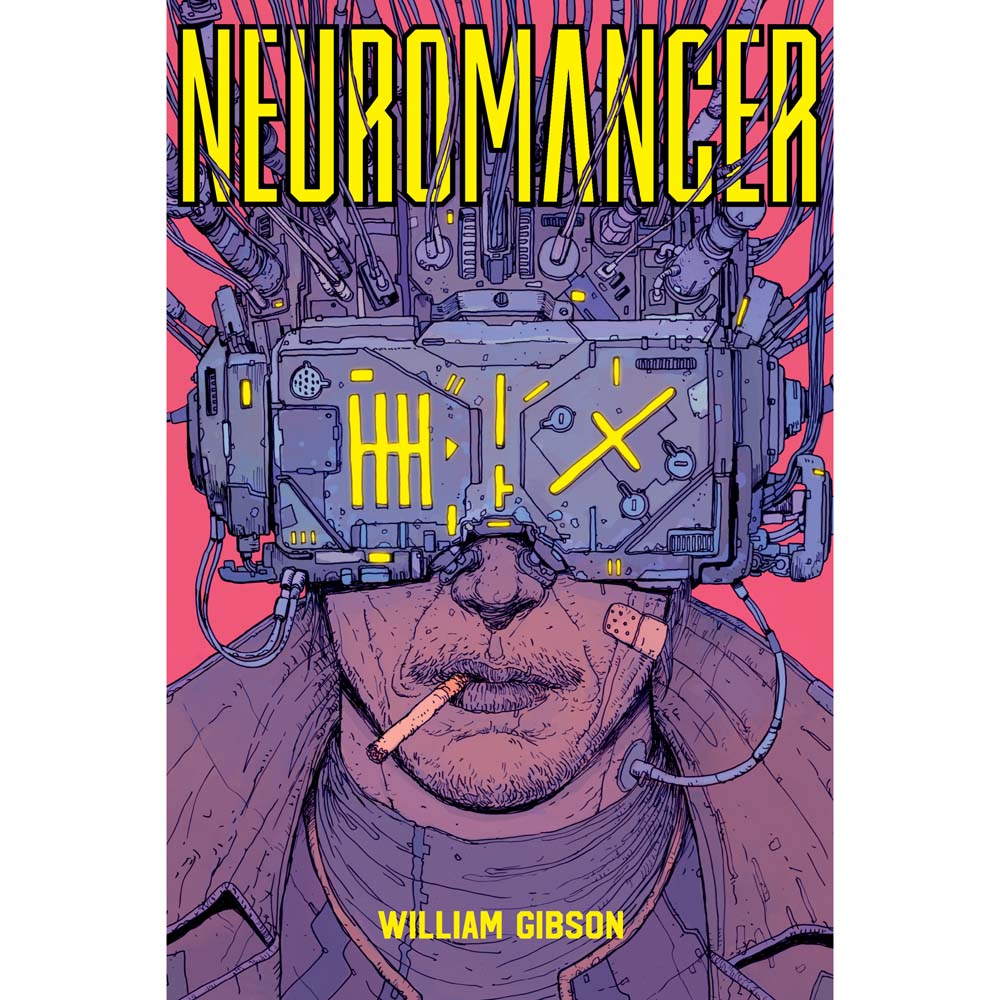
writers of the 20th century. I also found it in William
Gibson’s Sprawl trilogy, which defined the subgenre of
cyberpunk in science fiction, and the murky, downbeat spy novels of John le Carre. All of
these books contain violence, corruption and subterfuge,
but there’s more to them than just chaos and death. All of them involve flawed characters trying to make the best of their position: whether by solving a mystery, hacking a company computer system, or
unmasking a spy, using whatever cunning and improvised
gear they can find.
![]() |
| Cover art by Josan Gonsalez. Note the obligatory cigarette! |
And they all involve a sense of morality. Richard Morgan (of Altered Carbon fame) recently observed that all good noir involves not just noticing that the status quo is bad, but fighting against it. Raymond Chandler's detective Philip
Marlowe struggles to find justice in the corruption of 1940s Los Angeles. George
Smiley might fight dirty, but he’s most certainly on the right side of
the Cold War. Even in the weird dystopia of
Gibson’s world, there are real monsters to be defeated. That sense of
justice seems to be to be one of the most basic human emotions. As Chandler himself put it in "The Simple Art of Murder": "Down these mean streets a man must go who is not himself mean".
| Bit of a fantasy title, come to think of it |
I think without this sense of morality - even a skewed morality that is as much about revenge as justice - it's easy to produce a kind of war-porn, where the story exists for little more than shock value. Or, just as bad, you end up telling stories whose morals are too simple: yes, war is hell, but that's nothing new. As another author - in fact, one who'd written several Warhammer 40,000 novels - once told me, darkness works best when there's light for it to contrast with, and vice versa.
As such, I think it is in the tradition of noir, as I understand it. A single determined person looks for revenge in a corrupt city and, in doing so, uncovers a conspiracy. And that search takes them to some very dangerous places.
Sunday, 14 October 2018
Woman With A Lockpick
Many, many years ago, I used to travel up to
Cardiff every few months to visit my friends Owen and Alex. I’d stay in
their house and generally make a nuisance of myself for a couple of
days. Because I worked on Fridays, I’d get a late train
and arrive at all sorts of weird and unhelpful times.
Once, I showed up while they had friends
around, I think to play a game. I didn’t want to interrupt, so I started
reading a Dungeons & Dragons manual that happened to be around (the
Third Edition Players’ Handbook, to be precise). Flicking
through, I stumbled upon the picture below.
It’s one of a set of pictures of example
characters, who are depicted with various upgrades and specifications to
demonstrate what can be done with the rules. This particular person is
Lidda the Halfling Rogue, but I didn’t know that at
the time.
It's interesting what prompts you (ie me) to write. Whatever subconscious reason there might have been, I looked at this picture and thought “This is the kind of person that I want to write about”.
What strikes me about this picture is its
practicality. I don’t only mean the lack of exposed flesh, but the sense that this is a
real person, with real problems. She’s peering at a lockpick (at least I think she is), and the
end of her nose has gone pink, as if she’s got a cold.
Things like that didn’t happen to fantasy characters when I was young, outside comedy.
And of course, the outfit. Actually, it’s not all
that practical, and it seems to be largely made out of random off-cuts
strapped together, but it looks warm and it’s got pads. After all, if you’re going to be picking
locks and squeezing through windows, having reinforced gear is a pretty
sensible idea. There’s also the interesting fact that her hair is rather
elaborately braided, which hints at something other than practicality - vanity, or religious observance perhaps.
If there
are cyberpunks in fantasy, this is what they would look like.
*
The heroine – or maybe protagonist is a more
accurate word – of Up To The Throne doesn’t look much like Lidda, to be
honest. Giulia is human, for starters, and rather more “normal” looking in terms of outfit. There are half a dozen
other ways she differs, but I still look at this picture from time to
time, to remind me of what this thing is all about. It’s about that
sense of improvisation and pragmatism, of credible people behaving logically within a
weird, impossible setting.
I don't know who drew this. I've looked but, as with a lot of rulebook art, unless it's by one of the three or four people whose work I recognise, it's very hard to track down. So, if you do know who drew Lidda the Halfling Rogue Looking At A Lockpick, let me know. In the meantime, thanks, mystery artist.
Next time, some thoughts on noir. And maybe I'll tell my Games Workshop anecdote.
Sunday, 7 October 2018
A Supercharged Renaissance
So, why set a fantasy novel in the Renaissance?
Well, first up, it's important to say that it isn't our Renaissance. It's the equivalent of our Renaissance in a fantasy world, where magical events happen and are expected to happen. It's what's known as a "low magic setting", in that impossible things don't occur all that often - which is lucky if you happen to live there, as a lot of the impossible things are really dangerous.
So, alongside the developments that humanity is making - in engineering, painting, literature and learning about the world - you have a small number of monsters, wizards, fey folk, revenants and other (frequently lethal) beings. Also, while there aren't many people with the magical skill to shoot lightning or turn people into frogs, there are some with the ability to strengthen mechanisms, summon weather, enchant objects and basically supercharge things that would otherwise hardly function into effective machinery. So, with the right enchantments, that clockwork cart that only rolls downhill and is so heavy that it sinks into the ground can potentially become a very useful and stylish set of wheels.
But still, why the Renaissance?
For one thing, it's hard to pin down one period in one place as "the Renaissance". England barely had one, at least not in the same way as Italy. But we all know what the concept is, and it encompasses some really interesting things. Developments in thought, in scholarship, in art and in understanding man's position in the world really accelerated between 1400 and 1600 (in Europe, at any rate). It was also a time of some truly foul, vicious and crazy behaviour. Of course, I'm talking about something of a caricature, but that's how historical periods tend to be remembered.
Giulia's world is a condensed and accelerated version of that (it's the magic, you see), in the same way that a lot of epic fantasy uses a condensed and exaggerated version of the Middle Ages (another long and varied time period). That enables a character to have lots of interesting adventures: in Giulia's world (if you had the cash), you could chat to a philosopher, buy a potion from an alchemist to change your appearance, steal a painting from a genius artist and go for a ride in a flying machine - or on a wyvern - on the same day. And then get murdered by a pack of revenants. It's not all perfect.
There are other aspects, too: gunpowder was becoming more prevalent (very useful against those undead hordes) and Christianity (or its fantasy equivalent) was in serious turmoil. Both of those enter Giulia's world, in strange and distorted forms.
So you set Up To The Throne in the Renaissance because...
At some level, the answer to a question like this is always "because I think it's cool", and I'm not sure that's much of an answer at all. That aside, I think it comes down to possibilities. The Renaissance itself was a time of possibilities, when mankind's potential for greatness (and badness) was coming into its own in Europe. And Pagalia, where Up To The Throne is set, is a microcosm of that: a city where geniuses cross paths with assassins, and magical creatures clash with the fanatics who would wipe them out. Something really good could come of it - and something truly awful. Aptly, it's a powder-keg. All it needs is a spark...
Well, first up, it's important to say that it isn't our Renaissance. It's the equivalent of our Renaissance in a fantasy world, where magical events happen and are expected to happen. It's what's known as a "low magic setting", in that impossible things don't occur all that often - which is lucky if you happen to live there, as a lot of the impossible things are really dangerous.
| Such as this. |
So, alongside the developments that humanity is making - in engineering, painting, literature and learning about the world - you have a small number of monsters, wizards, fey folk, revenants and other (frequently lethal) beings. Also, while there aren't many people with the magical skill to shoot lightning or turn people into frogs, there are some with the ability to strengthen mechanisms, summon weather, enchant objects and basically supercharge things that would otherwise hardly function into effective machinery. So, with the right enchantments, that clockwork cart that only rolls downhill and is so heavy that it sinks into the ground can potentially become a very useful and stylish set of wheels.
| This could really happen! |
But still, why the Renaissance?
For one thing, it's hard to pin down one period in one place as "the Renaissance". England barely had one, at least not in the same way as Italy. But we all know what the concept is, and it encompasses some really interesting things. Developments in thought, in scholarship, in art and in understanding man's position in the world really accelerated between 1400 and 1600 (in Europe, at any rate). It was also a time of some truly foul, vicious and crazy behaviour. Of course, I'm talking about something of a caricature, but that's how historical periods tend to be remembered.
Giulia's world is a condensed and accelerated version of that (it's the magic, you see), in the same way that a lot of epic fantasy uses a condensed and exaggerated version of the Middle Ages (another long and varied time period). That enables a character to have lots of interesting adventures: in Giulia's world (if you had the cash), you could chat to a philosopher, buy a potion from an alchemist to change your appearance, steal a painting from a genius artist and go for a ride in a flying machine - or on a wyvern - on the same day. And then get murdered by a pack of revenants. It's not all perfect.
| "I'll distract him with this hourglass while you loot the barrels." |
There are other aspects, too: gunpowder was becoming more prevalent (very useful against those undead hordes) and Christianity (or its fantasy equivalent) was in serious turmoil. Both of those enter Giulia's world, in strange and distorted forms.
So you set Up To The Throne in the Renaissance because...
At some level, the answer to a question like this is always "because I think it's cool", and I'm not sure that's much of an answer at all. That aside, I think it comes down to possibilities. The Renaissance itself was a time of possibilities, when mankind's potential for greatness (and badness) was coming into its own in Europe. And Pagalia, where Up To The Throne is set, is a microcosm of that: a city where geniuses cross paths with assassins, and magical creatures clash with the fanatics who would wipe them out. Something really good could come of it - and something truly awful. Aptly, it's a powder-keg. All it needs is a spark...
Sunday, 30 September 2018
My Next Book!
So, slightly different post here.
Both of you who read this blog will already know that I write books. More particularly, I wrote the Warhammer 40,000 novel Straken, about Colonel Straken of the Imperial Guard killing a lot of space orks, and the six Space Captain Smith books, about Captain Isambard Smith of the British Space Empire killing a lot of space ants.
Now I've got something else planned. In December 2018, I'll be releasing a new book onto Kindle. It's called Up To The Throne, and it looks like this:
Giulia returns to her birthplace to kill the man who scarred her and left her for dead - only to find that he is no longer a gangster but a powerful politician, and may be the only person who can save Pagalia from its enemies. As she carves her way closer to vengeance, it becomes clear that her revenge may destroy the entire city.
It's a dark fantasy story, a sort of revenge thriller set in a magically-supercharged Renaissance, full of clockwork tanks, haunted ruins, flying machines and a lot of menace and intrigue. I'm not that keen on the term, but if you want to call it Grimdark, feel free.
This is a first expedition into the world of self-publishing, and I'll update you guys as I go along. It's pretty daunting, to be honest, but I'm looking forward to it too!
Both of you who read this blog will already know that I write books. More particularly, I wrote the Warhammer 40,000 novel Straken, about Colonel Straken of the Imperial Guard killing a lot of space orks, and the six Space Captain Smith books, about Captain Isambard Smith of the British Space Empire killing a lot of space ants.
Now I've got something else planned. In December 2018, I'll be releasing a new book onto Kindle. It's called Up To The Throne, and it looks like this:
Giulia returns to her birthplace to kill the man who scarred her and left her for dead - only to find that he is no longer a gangster but a powerful politician, and may be the only person who can save Pagalia from its enemies. As she carves her way closer to vengeance, it becomes clear that her revenge may destroy the entire city.
It's a dark fantasy story, a sort of revenge thriller set in a magically-supercharged Renaissance, full of clockwork tanks, haunted ruins, flying machines and a lot of menace and intrigue. I'm not that keen on the term, but if you want to call it Grimdark, feel free.
This is a first expedition into the world of self-publishing, and I'll update you guys as I go along. It's pretty daunting, to be honest, but I'm looking forward to it too!
Subscribe to:
Posts (Atom)
-
Yes indeed! I have written another fantasy novel and it comes out today! It's a story of murder and revenge set in a magical city a bit ...
-
I've been working on a sequel to Up To The Throne . It's called Blood Under Water , and it's a story of revenge and conspiracy i...
-
"I do what I love, and I love what I do but if you think this is easy, you must be new." M.C. Abdominal 1) There i...